Real world problems we’ve solved in the space between data collection and action.
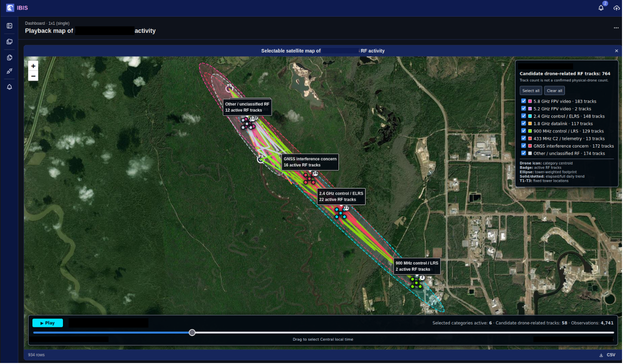
You can generate abundant C-UAS data. But the critical question can remain unanswered: is the threat defeated? Every C-UAS system records a flight in its own format, but operators need to assess and adjust between engagements. Without a cohesive picture, they lack the insights necessary to make strategic, real-time decisions.
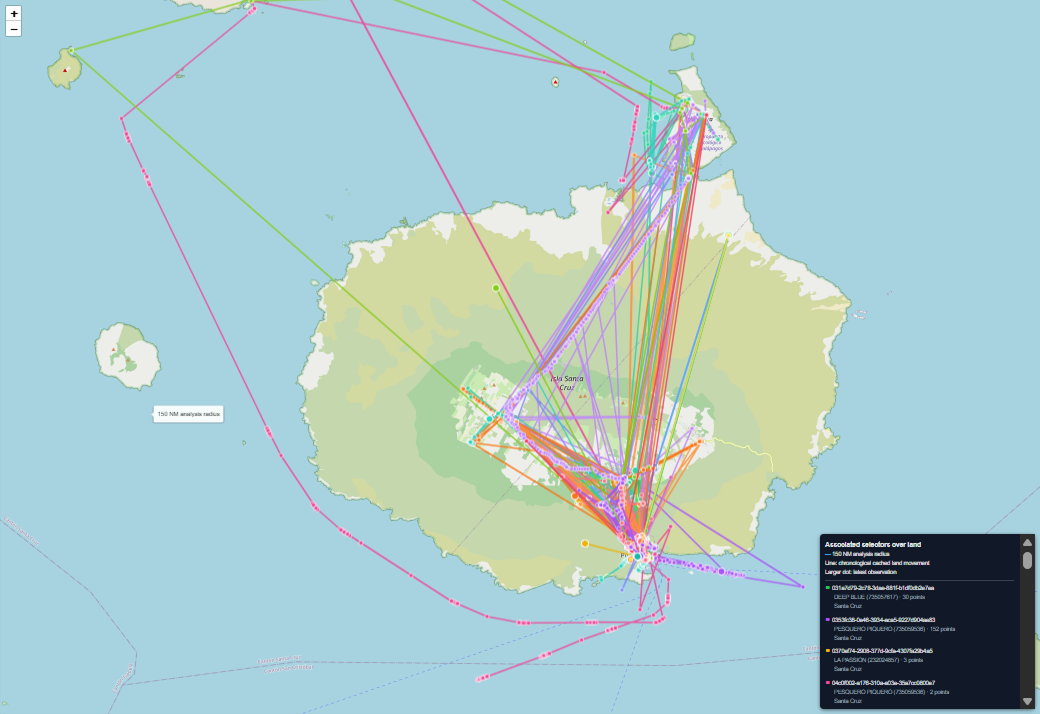
Maritime environments are some of the most dynamic operating spaces in the world. But with an increasing number of systems generating continuous signals, the volume of data and incompatible formats resist manual correlation, drastically delaying mission-critical insights. Where decision speed determines the outcome, that gap creates operational risk.
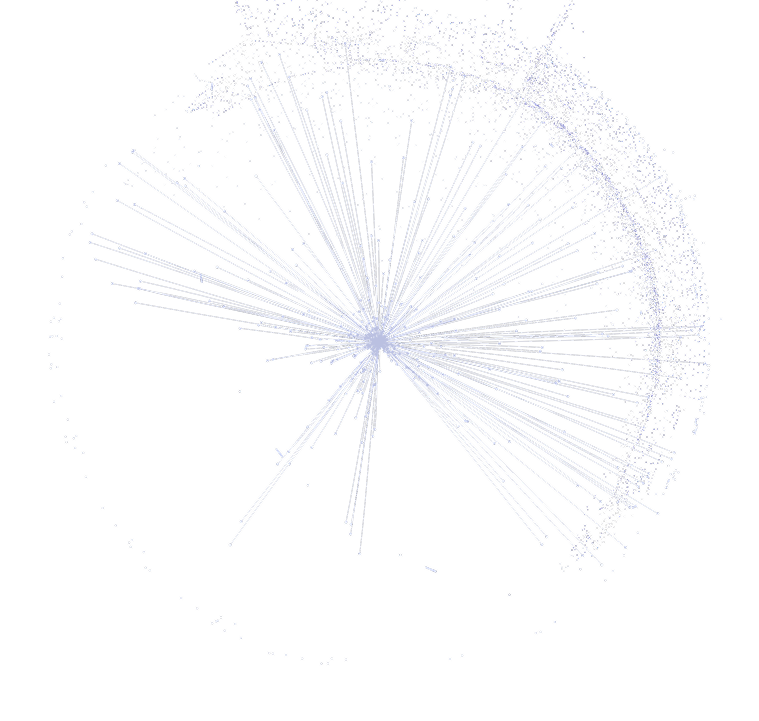
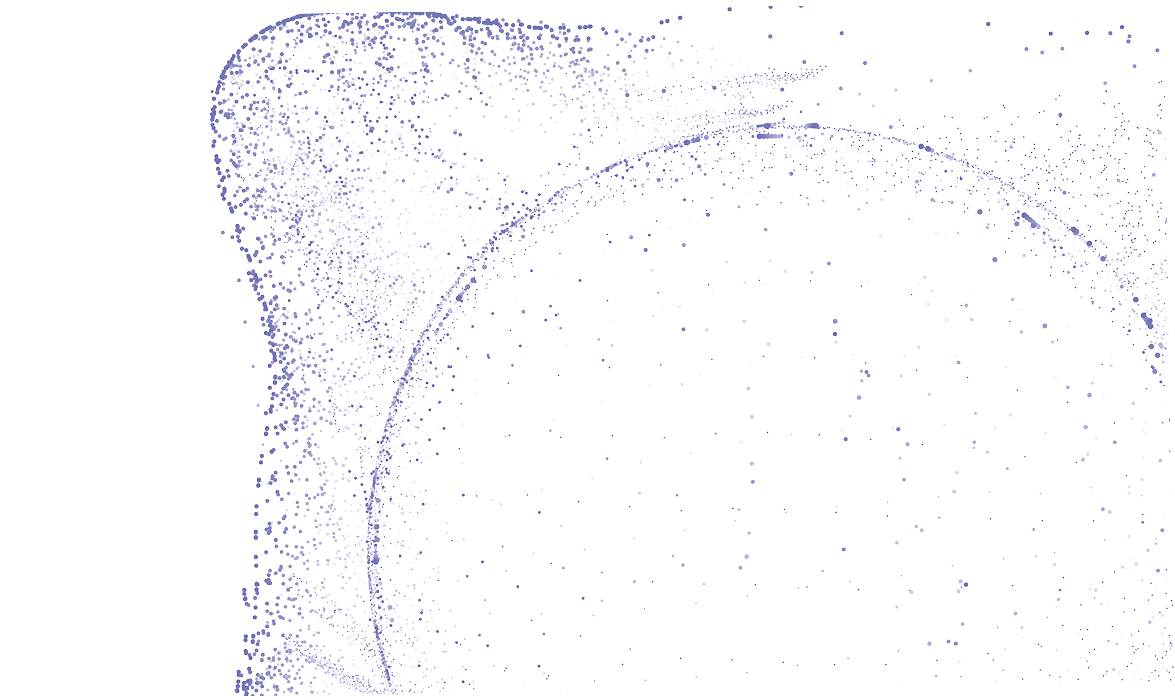
Modern Electronic Warfare (EW) faces a critical challenge: there’s too much data. Actionable insights are buried within it, but they require hours of specialized expertise to extract and shape decision-making. In a warfighting environment, those long lags between extracting and acting carry significant operational risk. IBIS™ breaks down both the expertise barrier and the silos within enterprises, resulting in data that all operators can access.
One of only four operational WWII ships in the US, the American Victory Ship in downtown Tampa, Florida, is a significant part of history. It’s also part of our future. It’s where we test out AI-powered autonomous systems in a real urban maritime environment. Our Autonomous Sensing Lab generates real-world test data to inform how military personnel interpret information from autonomous platforms.
The constraint is no longer collection. It is the time between collecting data and acting on it. Bring your data, run a live query, and judge the output yourself.